Table of Contents
Customers might not even understand that their present signs are linked to past stressful experiences. As a specialist, acknowledging these refined indications enables you to give proper assistance and guide your customers in the direction of recovery. Unsettled injury can considerably influence a customer's development in treatment, creating obstacles that hinder development and recovery.
CBT aids customers in changing trauma-related ideas and ideas that contribute to their distress. Through cognitive restructuring, clients find out to identify and test purposeless thoughts, replacing them with even more balanced and reasonable point of views. Mindfulness and body awareness techniques help clients attend to physical injury actions by enhancing their ability to control their nerves.
Certain treatments like eye activity desensitization and reprocessing (EMDR) and trauma-focused cognitive behavioral therapy (TF-CBT) directly address trauma memories and their associated feelings. These techniques aid clients refine terrible experiences in a risk-free and controlled fashion, minimizing the strength of their injury actions in time. When dealing with clients who have experienced trauma, it is essential to pace the healing procedure according to their private demands and readiness.
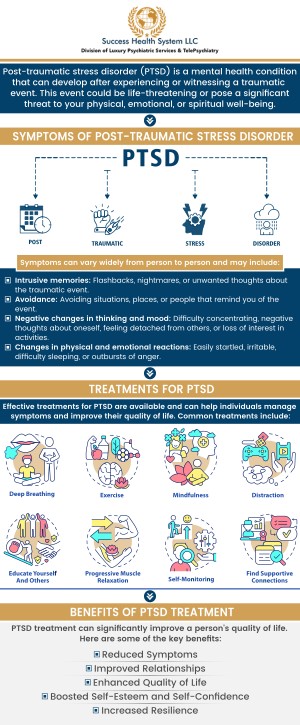
Creating a risk-free, foreseeable, and helpful setting is crucial for customers to feel comfortable discovering their injury and establishing new coping techniques. This entails establishing clear borders, maintaining consistency in sessions, and supplying a non-judgmental space where clients really feel listened to and validated. The specialist plays an important duty in creating safety and security and trust, which are vital for recovery trauma.
How Nervous System Dysregulation Presents Uniquely in ADHD Minds
Trauma survivors commonly have a hard time with feelings of shame, sense of guilt, or self-blame relevant to their trauma. Specialists can aid ease these feelings by: Identifying that injury reactions are typical reactions to abnormal occasions.
In time, this exposure can deeply affect a specialist's worldview, spirituality, and sense of self. Therapists need to concentrate on self-care and seek supervision when taking care of clients that have intricate injury reactions. This includes: Routine workout, reflection, hobbies, and relaxation strategies can assist manage anxiety levels. Peer support system, supervision, and personal therapy sessions supply opportunities to refine psychological effects and maintain health.
Why Body-Based Work Helps for Trauma Therapy
Committing time to individual relationships, rate of interests, and self-care tasks outside of job is necessary for overall well-being. Specialists ought to also remain knowledgeable about their own emotional responses and how vicarious injury may impact their practice. This means recognizing typical symptoms such as despair, anger, impatience, trouble concentrating, unfavorable thoughts, social withdrawal, exhaustion, and physical grievances.
Offering culturally receptive solutions that resolve historical trauma and relocate past stereotypes. Specialists can make use of numerous techniques to aid clients handle their injury responses, such as grounding workouts, cognitive behavioral treatment, somatic methods, and trauma-focused treatments like EMDR and TF-CBT. Pacing the therapeutic procedure according to the customer's preparedness and maintaining a predictable, supportive setting are necessary for preventing re-traumatization and promoting a feeling of control.
You might experience: Persistent frustrations or migrainesMuscle tension, specifically in the neck and shouldersDigestive concerns (like IBS or nausea)Unexplained persistent discomfort or fatigueIf medical professionals have actually told you your signs are "just stress and anxiety," however nothing seems to help, your body could be holding onto injury in means you really did not recognize. If any of this reverberates, treatment can assist you understand, procedure, and recover.
It's a fantastic inquiry, and one worth discovering deeply. While many of us use the words "injury" and "anxiety" as if they suggest the same thing in everyday discussion, there's in fact much more to understand concerning how injury distinctively affects our psychological health.
Viewing Perceived Challenges as Neurological Variation
Think of trauma responses as your mind and body's way of safeguarding you when something occurs that feels too huge to deal with. When we experience something frustrating or deeply distressing, our brain kicks into survival setting. You might have come across "fight or flight" however there's additionally "freeze" and "fawn" (people-pleasing). These aren't just abstract principles; they're extremely actual responses that can appear right now or in some cases years later on, depending upon what you have actually been through.
Trauma reactions can show up in day-to-day scenarios or throughout treatment sessions. Clients might become conveniently set off, shut down emotionally, or react highly to specific subjects.
Clients may not even realize that their current symptoms are connected to past terrible experiences. As a specialist, acknowledging these refined signs allows you to supply suitable support and guide your customers towards recovery. Unsolved trauma can significantly affect a client's progress in treatment, developing challenges that impede development and healing.
CBT aids clients in changing trauma-related thoughts and beliefs that add to their distress. Via cognitive restructuring, customers discover to determine and challenge purposeless ideas, replacing them with even more well balanced and practical point of views. Mindfulness and body understanding techniques help customers resolve physical injury feedbacks by raising their ability to control their nerve system.
Releasing Internalized Ableism
Specific therapies like eye activity desensitization and reprocessing (EMDR) and trauma-focused cognitive behavior modification (TF-CBT) directly address injury memories and their associated feelings. These methods help clients refine traumatic experiences in a risk-free and controlled manner, minimizing the strength of their trauma reactions with time. When collaborating with clients that have experienced trauma, it's essential to rate the restorative procedure according to their individual requirements and readiness.
Developing a secure, predictable, and helpful atmosphere is essential for clients to really feel comfy discovering their injury and developing new coping strategies. This includes establishing clear boundaries, keeping consistency in sessions, and supplying a non-judgmental room where customers really feel listened to and validated. The therapist plays an important function in developing safety and security and count on, which are essential for recovery injury.

Table of Contents
Latest Posts
Family-Centered Obsessive-Compulsive Disorder Models for Young Adult Support
Working With Developmental Trauma By Implementing Specialized Treatment for Transformation
Clinical Safety in Psychedelic Therapy
Navigation
Latest Posts
Family-Centered Obsessive-Compulsive Disorder Models for Young Adult Support
Working With Developmental Trauma By Implementing Specialized Treatment for Transformation
Clinical Safety in Psychedelic Therapy