Table of Contents
Simply as you 'd see a physician for a physical health concern, speaking with a mental health and wellness expert for psychological or psychological challenges is a clever, proactive option. Beyond the research study, treatment provides practical advantages that prolong far past signs and symptom decrease.
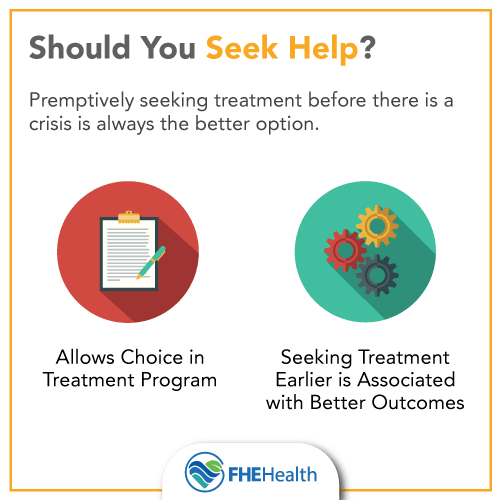
A therapist helps you make sense of what you're feeling, using support and understanding that can be basing, specifically if you have actually been carrying points alone for a lengthy time. When you remain in the middle of stress and anxiety or unpredictability, it can be tough to see the complete picture. Specialists bring an outdoors point of view that isn't shaped by your past, your connections, or your expectations of on your own.
If you've made it this much and you're still asking on your own, "do I need treatment?" the answer is probably yes. Also if you're unclear, attempting therapy doesn't commit you to anything permanent. Think of it as an investment in yourself and your wellness. Beginning therapy does not need to be overwhelming or take months.
Your therapist helps you mirror, make links, and understand on your own with even more clearness. Depending upon your objectives, you might additionally learn coping abilities or approaches to make use of in between sessions. A lot of sessions end with a quick check-in to help you really feel grounded and gotten ready for the week in advance. That's entirely normal.
Understanding Multiple Diagnoses Through Obsessive-Compulsive Disorder
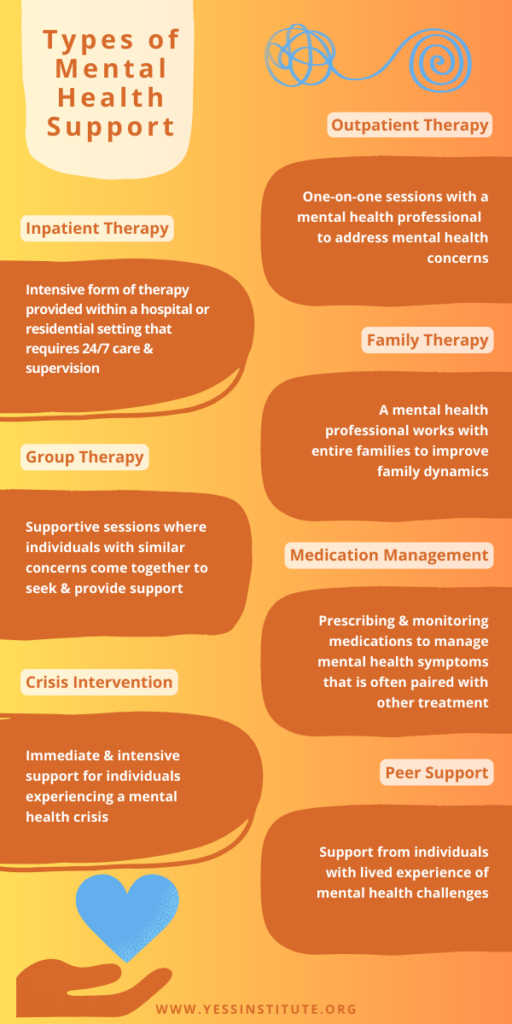
Your specialist can also help figure out which approach fits best based on your goals and readiness. It's valuable to comprehend the distinction between inpatient vs. household therapy, as well as inpatient therapy vs. outpatient care. Optimal therapy takes right into account an adolescent's private needs and background, as well as their severity of their diagnosis.
Thus, teens may obtain therapy initially in an inpatient psychological health and wellness device of a health center, transfer to a property setup, tip down to an outpatient program, and after that obtain regular therapy and/or participate in support groups at a neighborhood teen mental university hospital. Given all these options, it can be hard for parents to differentiate the distinction, let alone recognize what their youngster needs to recuperate.
Immediate Intervention for Mental Health
Within those classifications are much more refined differences. Let's have a look at the distinction in between inpatient and domestic treatment, as well as inpatient vs. outpatient psychological health and wellness programs. The main distinctions in between inpatient vs. household therapy are where it occurs, the size of stay, and the total treatment goals.
Usually, inpatient treatment is for teenagers who are in the severe phase of a mental health disorder and need continuous support. Inpatient keeps commonly comply with a teenager emergency situation area go to for a suicide attempt or various other crisis scenario. Thirty days is typically the optimum time for inpatient teenager psychological health therapy.
Peak Performance Pressure Management
Generally, the goal of inpatient therapy is to stabilize the person and ensure they are not a threat to themselves or others. Complying with inpatient therapy, adolescents that call for lasting care are commonly transferred to teen household treatment, sometimes referred to as residential inpatient treatment.
residential therapy, it's practical to understand that property therapy concentrates on long-lasting healing as opposed to situation administration. Since teens remain for one to three months in property treatment, there is more time to resolve the origin creates of psychological health and behavior issues. We recognize that connecting can be challenging.
A residential routine for teens includes scientific treatment, experiential activities, and academics. While in household treatment, clients live in a comfy, homey setup and are supervised by qualified personnel. Employee include psychoanalysts, therapists, counselors, nurses, dietitians, and experiential therapy professionals. As we have actually seen, household care is generally the next step in a teenager's healing journey after inpatient treatment in a hospital.
Understanding Support Systems Alongside Individual Therapy
It's hard for parents to send their child far from home. The lasting advantages of this choice can be life altering. Research shows that the structure and ongoing support of a household program is one of the most effective means to accomplish lasting recovery from anxiety, stress and anxiety, injury, and co-occurring behavioral concerns like drug abuse and self-harm.
When researching mental health alternatives, it's all-natural to start the search near to home. However, the very best psychological wellness therapy for an individual's specific medical diagnosis and needs may not be offered in your area. As a matter of fact, as a result of the present lack of psychological health service providers and treatment programs, the possibility is that the best program won't be in your instant area.
Multicultural Responsiveness in Mental Health Care
Within those classifications are a lot more subtle distinctions. Let's take a look at the distinction between inpatient and household treatment, in addition to inpatient vs. outpatient mental wellness programs. The major differences between inpatient vs. property therapy are where it happens, the length of keep, and the overall therapy objectives.
Normally, inpatient treatment is for teens who are in the severe stage of a mental wellness problem and need continual assistance. Thirty days is typically the maximum time for inpatient teenager psychological health treatment.
Typically, the goal of inpatient therapy is to support the patient and ensure they are not a risk to themselves or others. Adhering to inpatient treatment, teens who require long-term treatment are often transferred to teen residential treatment, sometimes referred to as household inpatient therapy.
residential treatment, it's valuable to recognize that household treatment concentrates on long-term healing rather than crisis management. Due to the fact that teens remain for one to three months in property treatment, there is even more time to resolve the source of mental wellness and behavioral issues. We understand that connecting can be hard.
Sleep Restoration
While in residential treatment, customers live in a comfortable, homelike setting and are managed by qualified staff. Staff participants consist of psychoanalysts, therapists, counselors, registered nurses, dietitians, and experiential treatment professionals.
It's difficult for moms and dads to send their child far from home. The long-term advantages of this choice can be life transforming. Research shows that the structure and recurring support of a residential program is one of the most effective means to attain long-term healing from depression, stress and anxiety, injury, and co-occurring behavior concerns like chemical abuse and self-harm.
When researching mental health and wellness alternatives, it's natural to start the search near home. The best mental wellness treatment for an individual's specific diagnosis and needs might not be offered in your area. As an outcome of the current scarcity of mental health service providers and treatment programs, the possibility is that the ideal program won't be in your immediate location.

Navigation
Latest Posts
Phases of EMDR therapy
Systemic Impacts and Bipolar Disorder
Codependency Breaking Patterns Through Individual Therapy